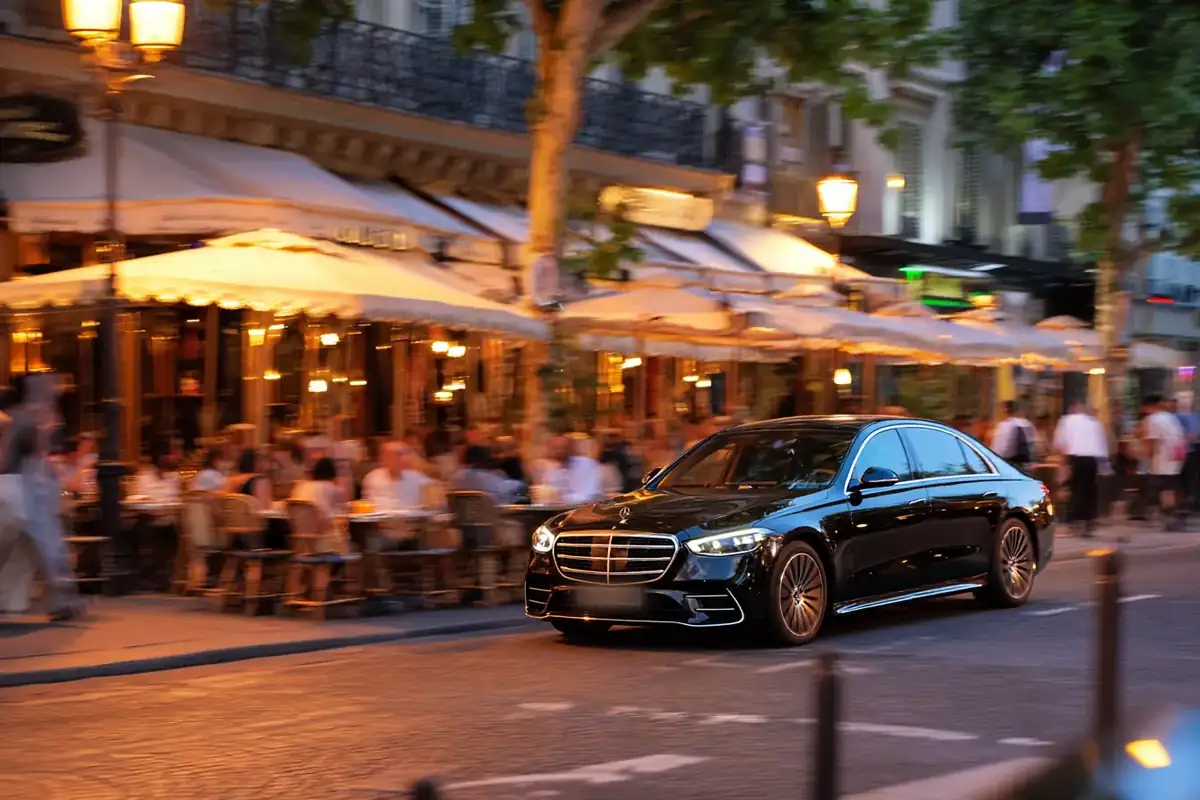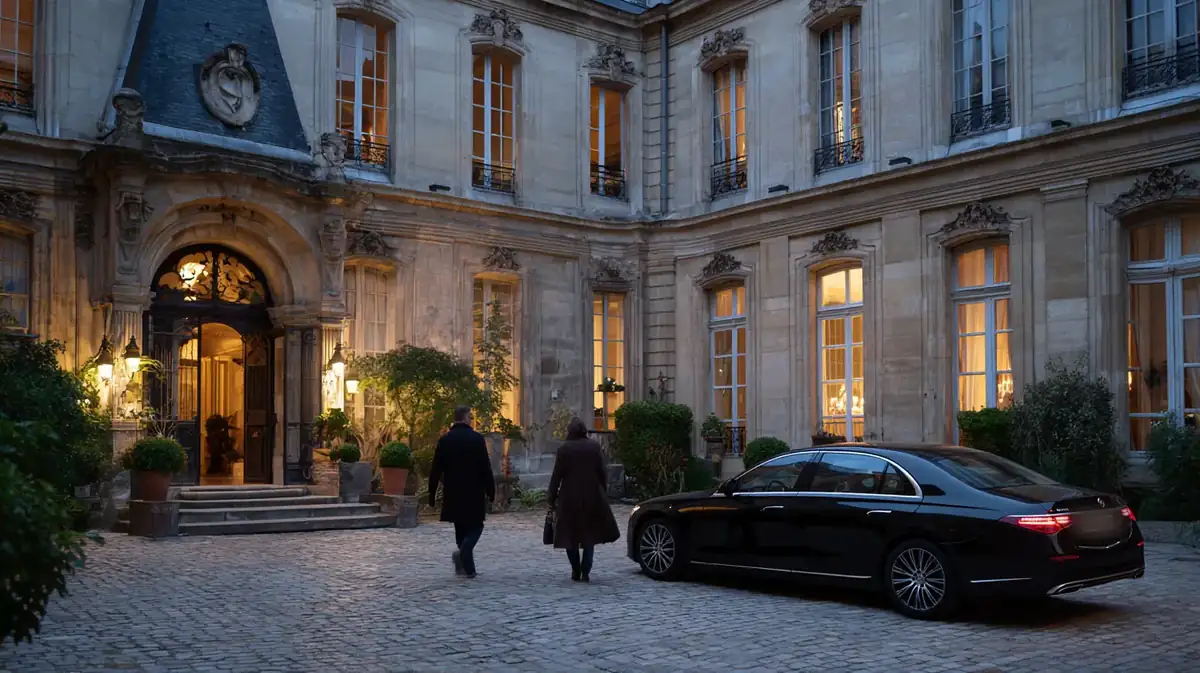
One city, scattered venues, a tight calendar
At every edition, Paris Fashion Week relies on a multitude of venues: fashion houses, private mansions, museums, pop-up spaces, sometimes outside the centre. Shows follow one another within a single day, with times that can slip and guests who must move between locations without losing time. In this context, mobility is as much a matter of organisation as of comfort. Guests moving from one presentation to the next immediately sense the difference between a smooth day and a succession of small surprises that wear down concentration and availability.
The main risk is not distance but sequence: a delay at the first appointment ripples through the next ones. That is why transport planning must start from the programme, not from an isolated journey. Our dedicated Fashion Week service in Paris describes how IKIGAI builds these constraints into the travel plan. Realistic planning allows for waiting around venues, queues of vehicles and drop-off times, which often lengthen at the peak hours of the shows.
Building the plan from the programme
Start by gathering invitations and timings: venues, door-opening times, show start, any after-show session. Add personal constraints: private appointments, fittings, meals, returns to the hotel. From these, a provider can propose a realistic sequence, with margins between venues and a chauffeur who knows the order of the day. The earlier the programme is shared, the more the provider can anticipate the pressure points of the day and propose concrete solutions rather than reacting as events unfold.
Plan fallbacks: an alternative route, a second chauffeur in reserve for a group, a procedure for a last-minute change of time. No organisation removes the unexpected, but good preparation makes it manageable. Then share the programme with the chauffeur and a single contact so that everyone follows the same version. This preparation also applies to lighter days: even with few stages, a tight schedule between two distant venues deserves to be anticipated with a chauffeur who knows the city well.
Access, perimeters and drop-off points
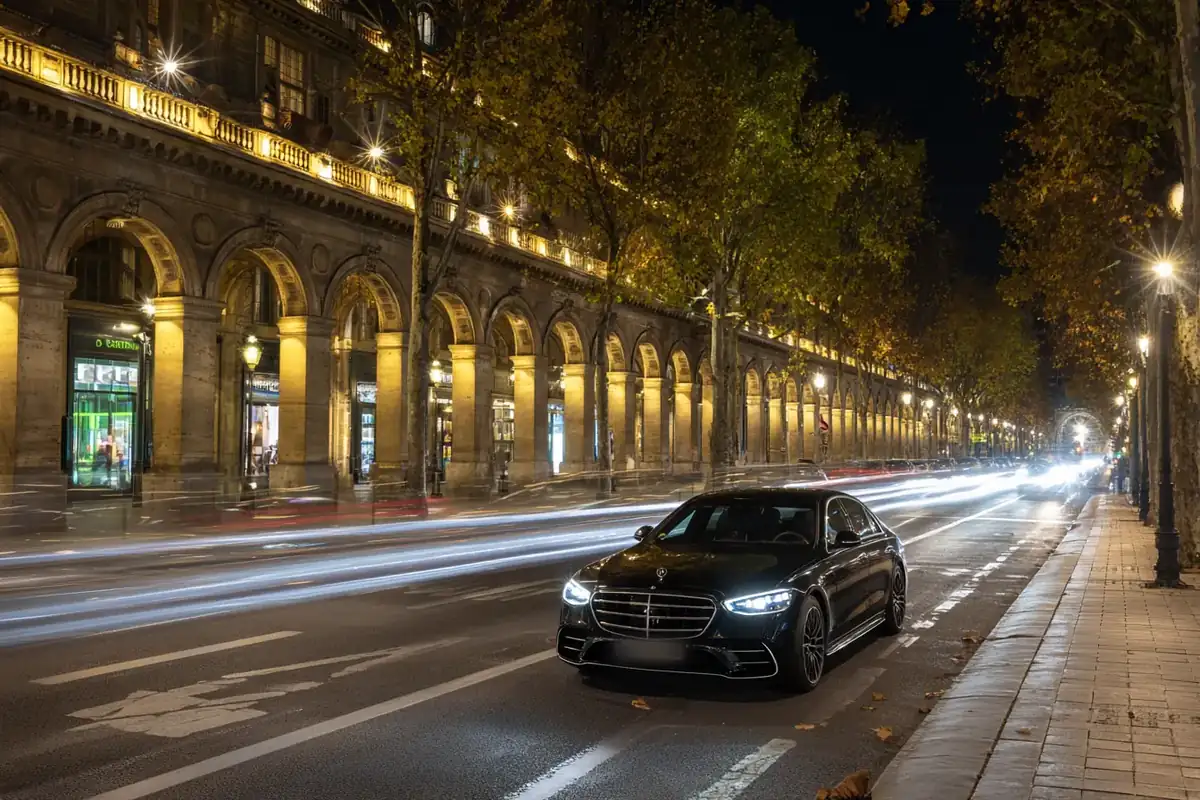
Show venues often come with a reception system: a queue of vehicles, a drop-off zone, invitation checks. Access and perimeters are communicated by the organisers; we build them into your transport plan. IKIGAI is not an official partner of these events: we organise mobility around them, following the instructions given to guests. This drop-off discretion is prepared with the chauffeur: choice of entrance, waiting in the vehicle, an agreed recall signal so that the car is in the right place at the right moment.
In practice, this means preparing the arrival and departure for each venue: where the chauffeur drops off, where he or she waits, how the guest is collected on the way out. For a high-profile person, the discretion of the drop-off and the ability to leave quickly after the show are important criteria. State them in the first request. This organisation is all the more useful because the atmosphere around venues can be dense: photographers, queues of guests, vehicles stopping briefly, traffic instructions given on site.
Hourly booking or successive transfers?
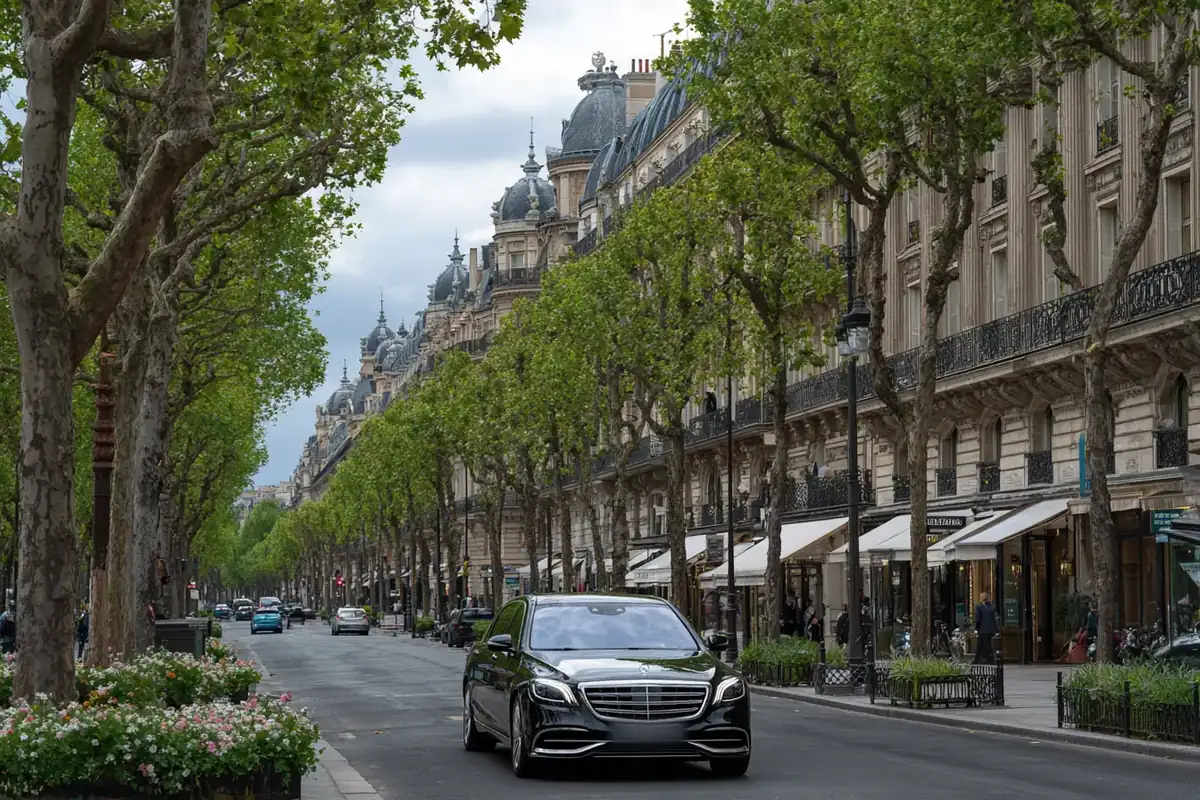
For a day of shows, an hourly booking is often smoother than repeated transfers. The chauffeur stays with the passenger, follows the programme, adapts timings and keeps belongings in the vehicle. There is no need to call a car after each show, which removes a source of stress. The chauffeur hourly booking page details this format. A dedicated chauffeur learns the passenger's habits, drop-off preferences and needs within a few hours, which makes the rest of the day more natural and quicker.
Successive transfers remain relevant when needs are occasional: an airport arrival, a single show, a dinner. The right choice depends on how dense the programme is and how many passengers are travelling. Our article on choosing between a transfer, an hourly booking and a single journey helps you decide for your situation. This continuity is a real comfort on long days: the passenger finds the same vehicle, the same atmosphere on board and the same contact from the morning until the last appointment.
Luggage, outfits and comfort on board
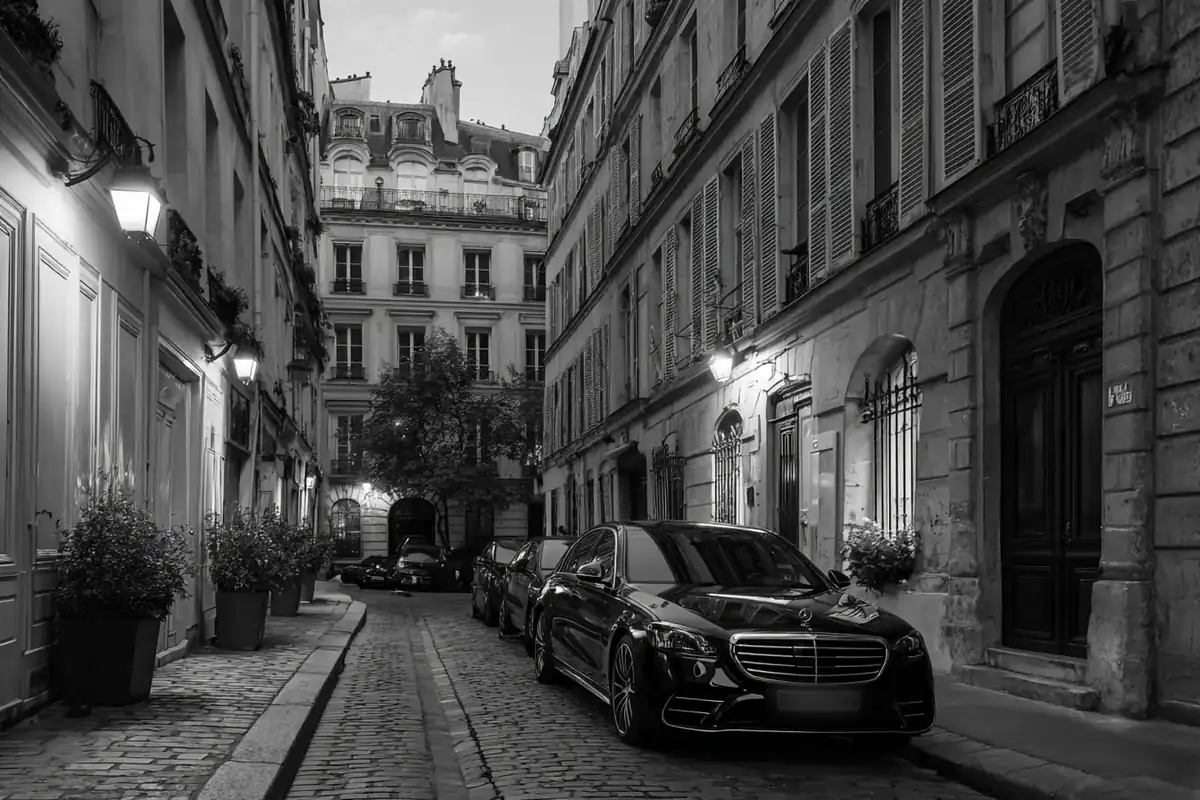
Fashion Week often involves delicate outfits, garment bags, accessories and equipment. Say so, so the vehicle suits: a people carrier can offer more space than a saloon. A prepared cabin, a pleasant temperature, water and a chauffeur attentive to clothing are details that count. Look at the range of vehicles to identify the most appropriate model. Allow also for space for purchases or gifts received during the day, which are common around these events, so that the boot does not become a constraint as the hours pass.
Think of the teams too: stylists, assistants, press officers, who do not always travel with the main person. Several vehicles can be coordinated so that everyone arrives on time, with one contact following the whole picture. This organisation avoids scattered calls at moments of high pressure. These details, seemingly minor, contribute to the overall quality of the day and the passenger's peace of mind, who can concentrate on the programme rather than the logistics.
Haute couture and ready-to-wear: same standards, different settings
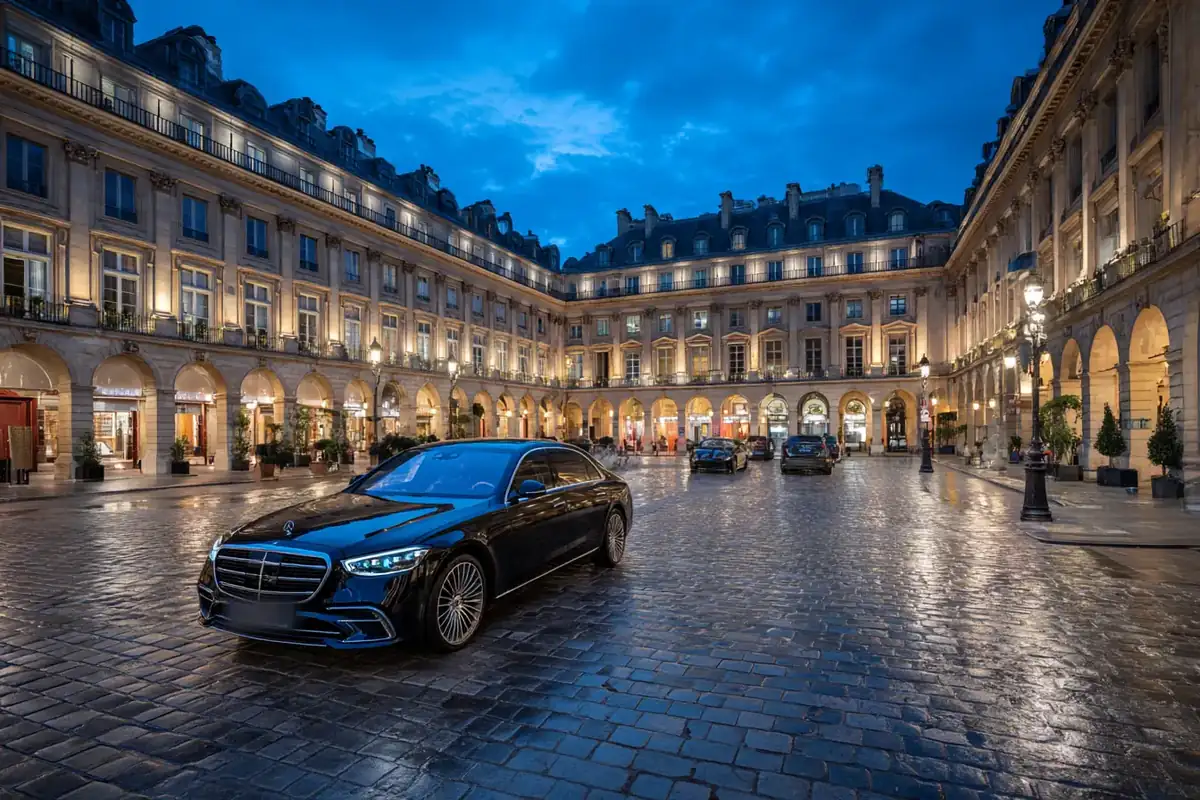
Ready-to-wear and haute couture weeks share the same demand for punctuality, but their venues and audiences differ. Haute couture presentations, in January and July, are held at addresses that vary by house, with guests often attentive to discretion. For that period, see the Haute Couture Week Paris page. This period often brings together guests from abroad, which may justify a welcome at the airport or station, followed by a direct link to the first appointments of the week.
Whatever the setting, the method stays the same: start from the programme, include the organisers' instructions, allow margins and communicate through a single channel. To structure a larger operation, for a brand or an agency for example, see our event transport checklist. For any request, write to us through the contact page. Teams who organise these journeys for several guests benefit from centralising their requests with a single contact, which simplifies adjustments and the follow-up of each journey.