Frame the event and the guest flows
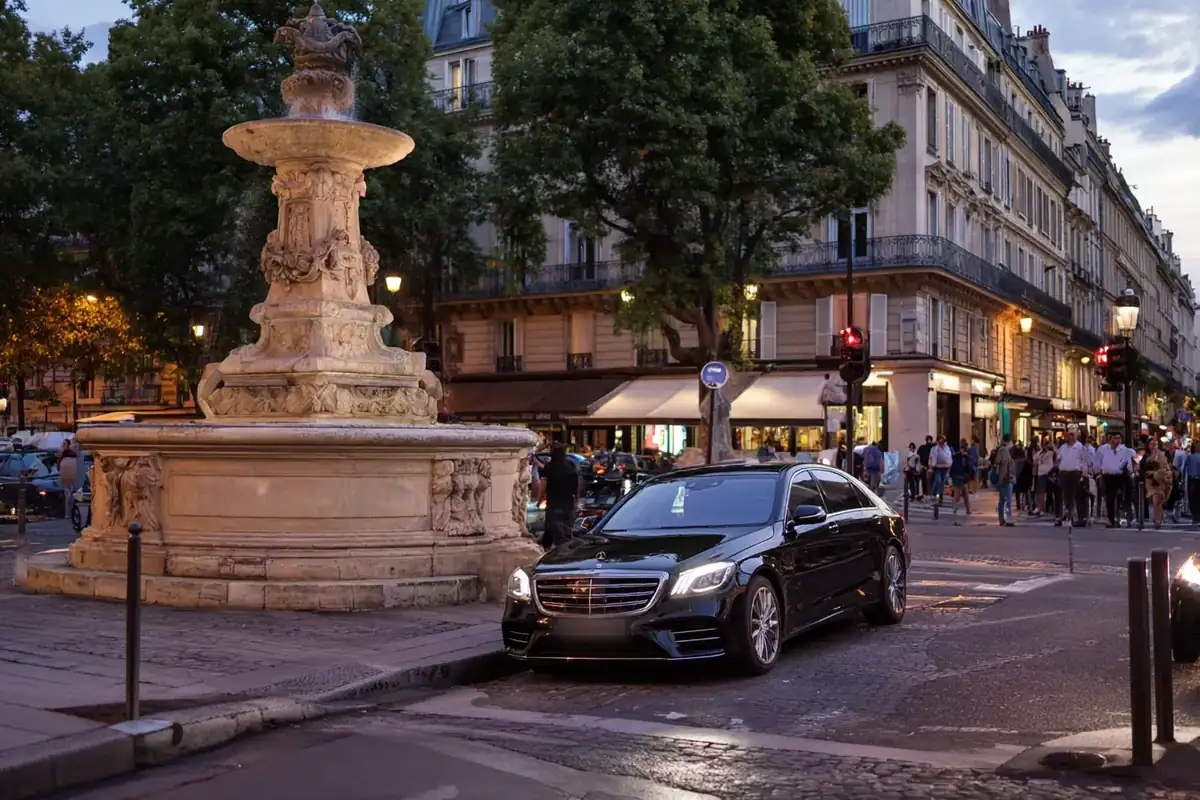
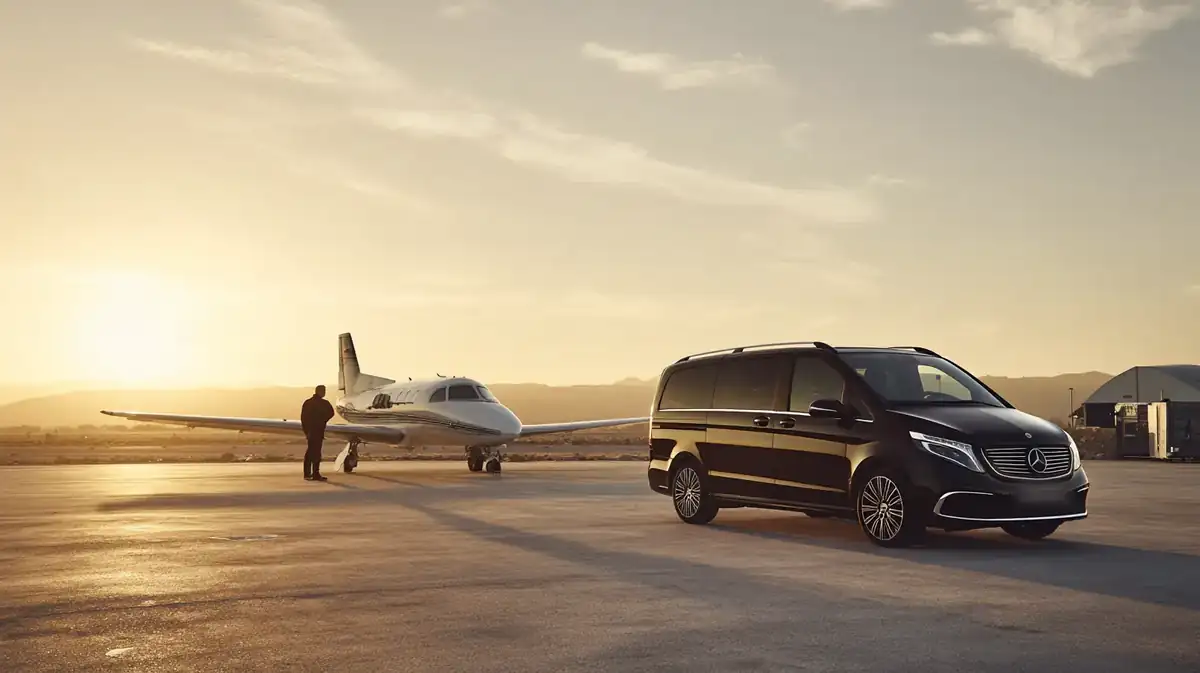
Before talking about vehicles, clarify what transport must achieve: welcoming guests from the airport, linking a hotel to a venue, handling late returns, carrying speakers or public figures. Identify the passenger groups: leadership, guests, speakers, teams. Each has its own needs, timings and level of confidentiality. This map of flows is the foundation for everything that follows. This framing work, done before contacting providers, saves time and yields comparable proposals, since each one answers the same base of information.
Then list arrivals and departures: stations, airports, hotels, homes. Note the known times and those still to be confirmed. The more complete the list, the more coherent the plan a provider can propose. Our event transport service starts from these details to build an organisation that fits your format. If some data is missing, do not hesitate to send a first version and complete it as things progress: a transport plan is built in stages, alongside the programme.
Choosing the format: individual cars, shuttles or convoy
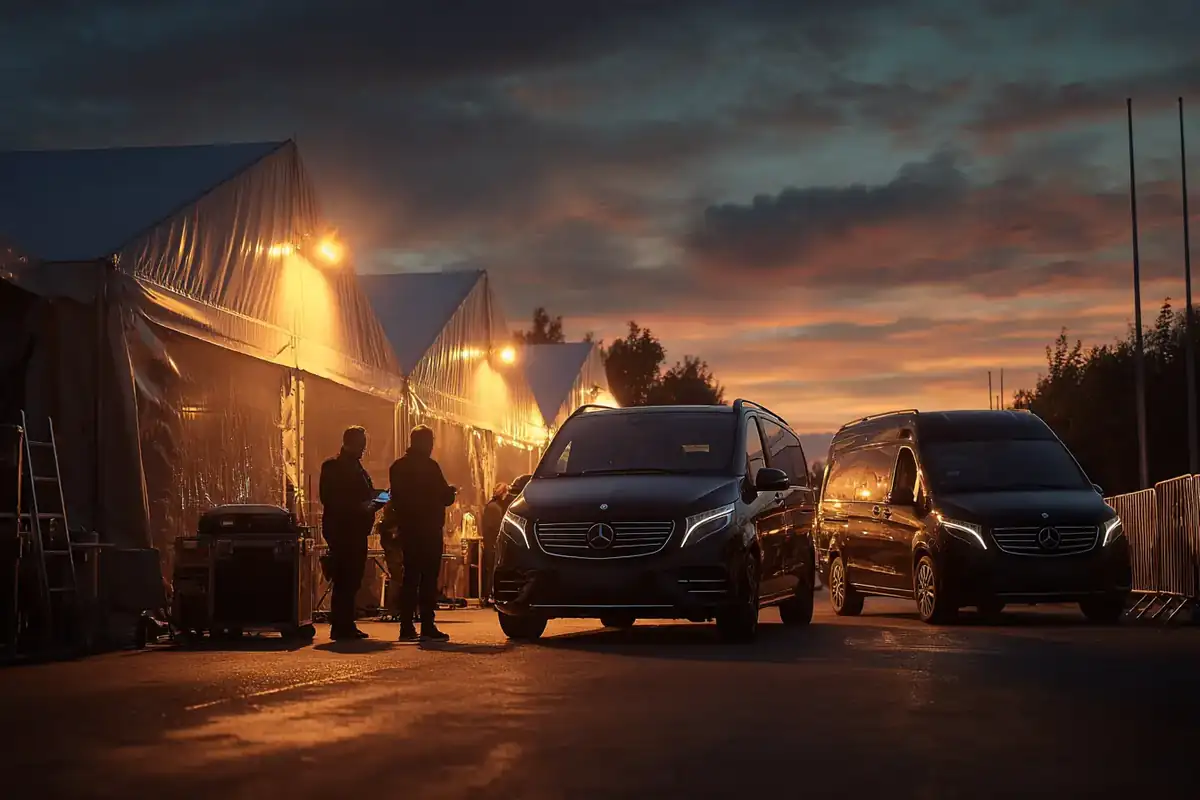
Depending on the number of guests and the nature of the event, several formats coexist. Individual vehicles suit key guests and scattered timings. Regular shuttles link a central point to a venue for larger flows. A convoy of several vehicles moves a delegation together. Often the plan mixes these formats according to the time of day. In practice, the right format is rarely unique: it comes from a balance between the experience offered to guests, the constraints of the venue and the coordination complexity the organising team can accept.
The criterion to keep in mind is consistency between the experience you want and the logistics. An intimate evening does not call for the same organisation as a seminar for hundreds. Ask the provider to justify the proposal: why this format, for which passengers, with what margin. For a fashion operation, see also our guide to getting around during Fashion Week. Do not forget to allow for the real capacity of vehicles, luggage included, because a group of passengers can seem to fit in a vehicle on paper but prove cramped once the suitcases are loaded.
Venue, access and perimeters
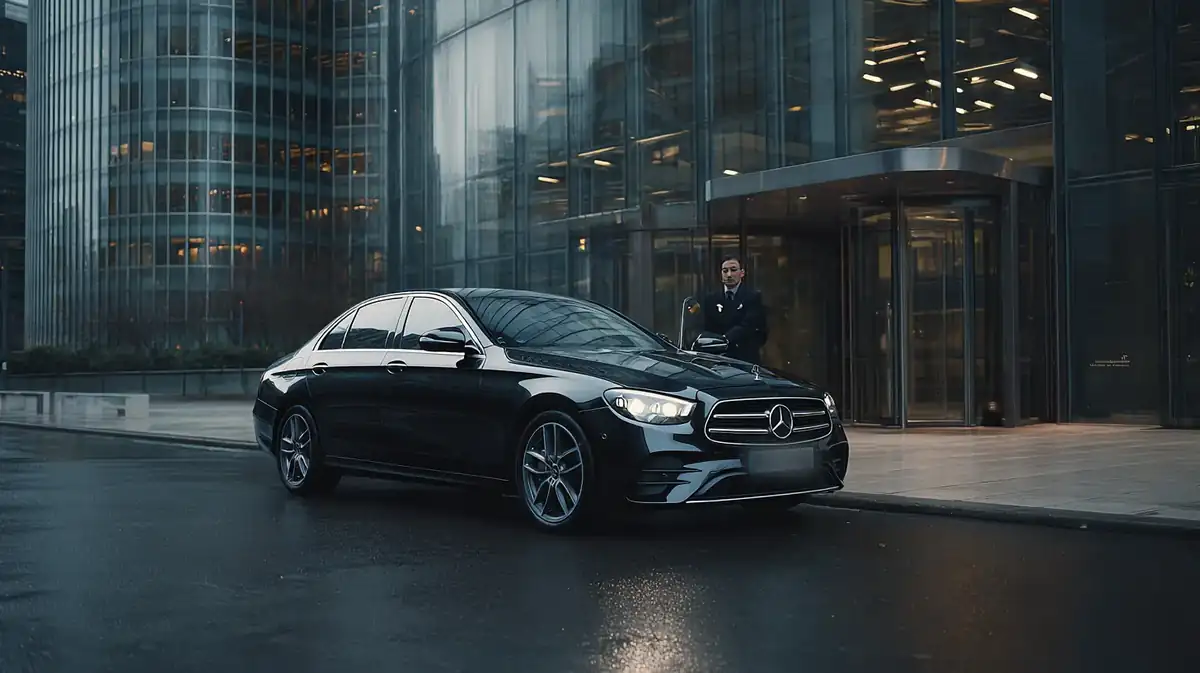
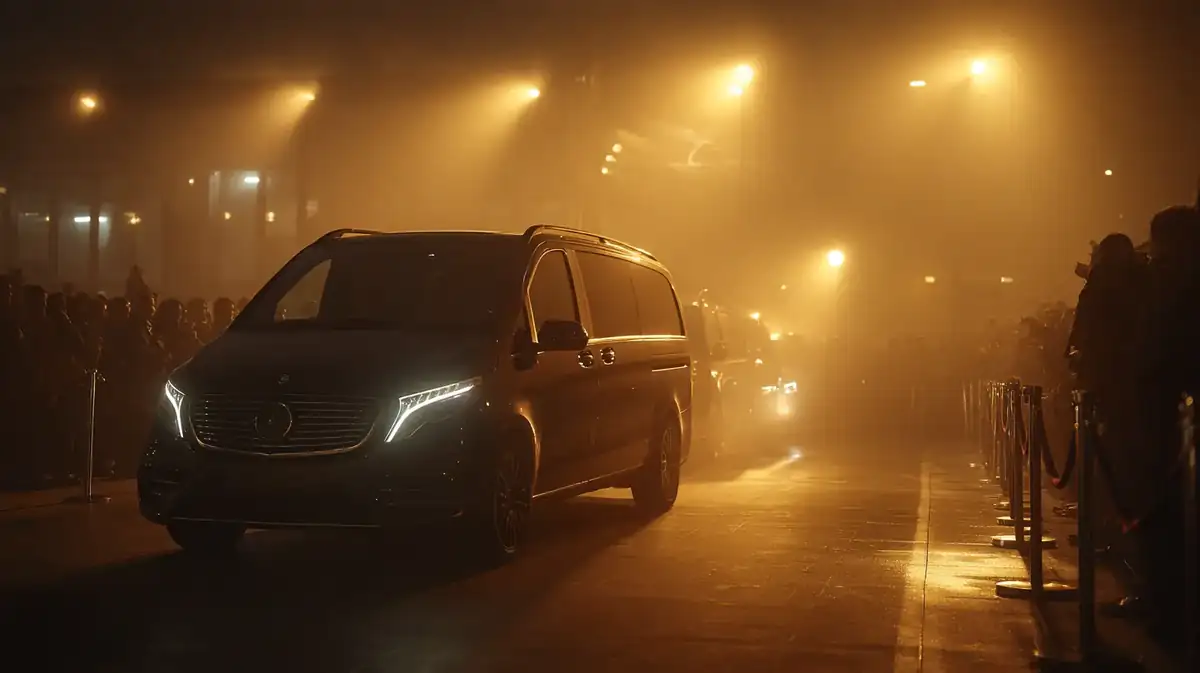
Each venue has its constraints: drop-off zone, reserved access, invitation checks, traffic restrictions. Access and perimeters are communicated by the organisers; we build them into your transport plan. Ask your on-site contact for this information, then pass it to the provider so the chauffeur knows where to drop off, where to wait and which way to leave. This information should be confirmed as the event approaches, since it sometimes changes between the first version of the plan and the day itself, particularly for major gatherings.
If the event is a large public or professional gathering, traffic around the site may be denser. IKIGAI is not an official partner of events, but organises mobility around them. Depending on the occasion, see for example our pages on VivaTech or Art Basel Paris for the associated logistics. A transport plan that anticipates these constraints avoids hurried adjustments on the day, and gives chauffeurs time to recognise the venues and organise their positions.
On-site coordination and communication
On the day, the quality of transport rests on coordination. Name a single contact on the organising side and a coordinator on the transport side, reachable through a shared channel such as WhatsApp. Define who may change a journey, who receives alerts and how information flows. A welcome on arrival, with a sign or an identified contact, stops guests from looking for each other. These instructions should be written, simple and shared with everyone involved, so that each person knows exactly what to do if there is a last-minute change or a difficulty on the ground.
Plan a briefing for chauffeurs: programme, venues, special instructions, people to recognise, discretion rules. A well-prepared chauffeur is more useful than one who is simply present. For sensitive profiles, add clear instructions on what may or may not be said. This preparation follows the same approach as our approach to discretion. Plan also a liaison point with the venue's security or reception where relevant, so that chauffeurs can quickly get an answer when an access question comes up.

Margins, the unexpected and a fallback plan
An event never unfolds exactly as planned: a speaker runs late, a flight shifts, a door closes earlier. Build margins between each stage and define what happens if a time changes. A reserve vehicle or an available chauffeur can absorb an incident without disrupting the rest. IKIGAI is available on request at any hour to respond to changes. This anticipation also gives peace of mind to the organising team, who can focus on the content of the event rather than handling transport problems live.
Plan waiting arrangements too: where vehicles wait, how they are called back, who approves a departure. For late returns, anticipate end-of-evening needs: guests leaving at different times, groups to take home, luggage to collect. The earlier these cases are discussed, the less they have to be settled in a rush. Extended waiting between two stages should be budgeted realistically, because it ties up chauffeurs who cannot be assigned to other assignments during that time.

Quote, invoicing and debrief
Ask for a firm quote before confirmation, detailing the vehicles, timings, waiting time and conditions for changes. For a company, an agency or a concierge team, state your invoicing needs: re-invoicing a client, internal references, grouping by event. A clear document simplifies closing the file. Our chauffeur service for companies answers these needs. A detailed quote also eases internal approval: finance managers more easily understand what is planned, why, and on what assumptions of duration and attendance.
After the event, take time for a debrief: timings kept, friction points, guest feedback. It feeds the preparation of the next one. To compare service formats and refine your choice, our article on the difference between a transfer, an hourly booking and a single journey may also help. This feedback, even brief, is a precious asset: it records actual timings, observed drop-off times and the adjustments to plan for a future edition or a similar event.
- Define the aim of the transport and the passenger groups
- List arrivals, departures and known times
- Choose the format: individual vehicles, shuttles, convoy
- Obtain access and drop-off instructions from the organisers
- Name a single coordinator and a communication channel
- Brief the chauffeurs: programme, venues, discretion
- Plan margins, a reserve vehicle and a fallback
- Agree a firm quote and invoicing needs
- Organise a debrief after the event